
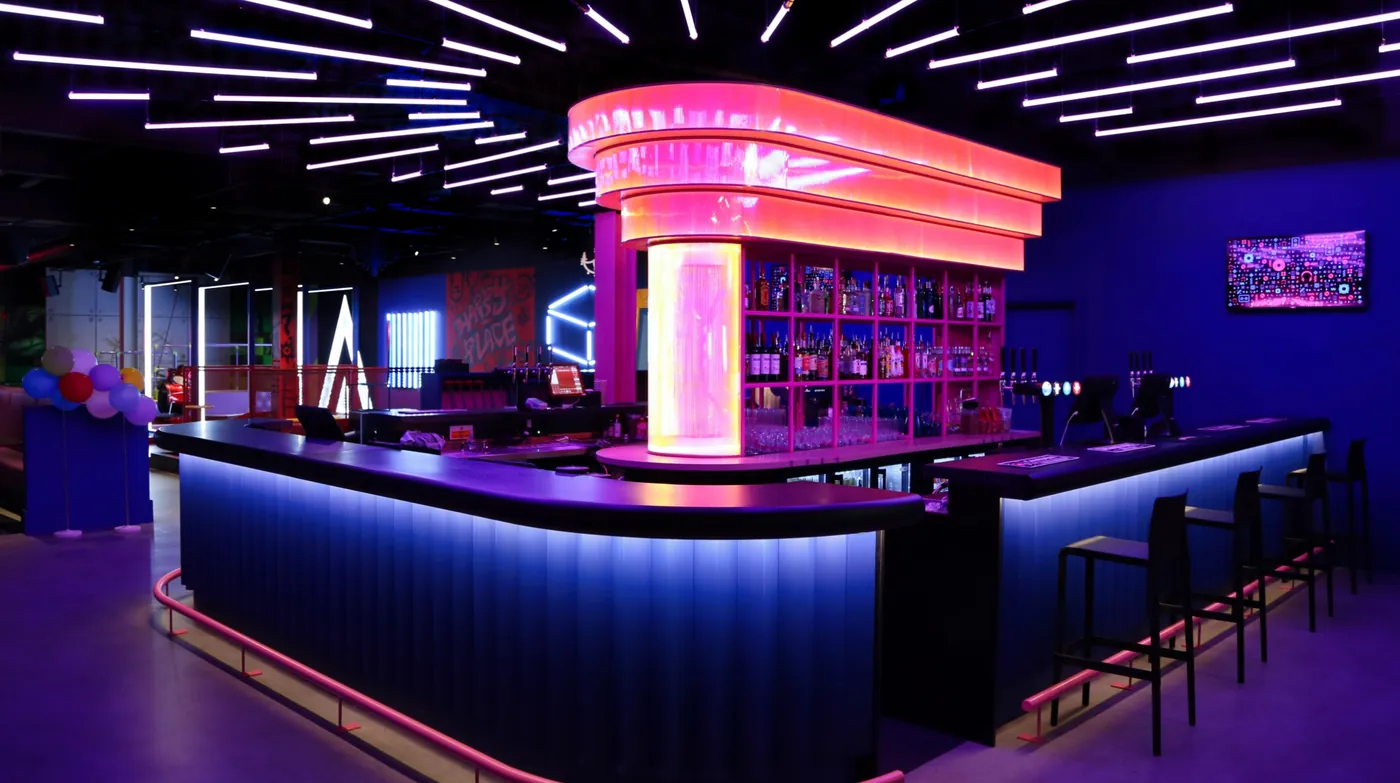
A founder brings an activity or a technology. An architect brings spatial expertise. The drawing can start surprisingly quickly.
But a brief that explains what the venue contains is different from one that explains what customers are buying. The second is the one that makes the first useful.
What happens before the floor plan?
Decide the audiences, the occasions and the reasons to choose the experience over other ways of spending an evening or afternoon.
That helps define the right product mix, experience sequence, dwell time, atmosphere, staffing requirements and opportunities for secondary spend. The architect now has commercial objectives to design around.
Make different buying occasions explicit
The same venue may host families at weekends, adults in the evening and businesses during the working week.
Those customers need different offers and sometimes different physical requirements. A corporate experience may demand meeting space, hosting, catering and a sales process very unlike consumer ticketing.
The brand is part of the brief
Positioning should guide the character of the environment, the hierarchy of spaces, signage, storytelling and moments customers will remember.
At Pop Playrooms, the organising idea brought different competitive-socialising activities together as one coherent brand and venue experience.
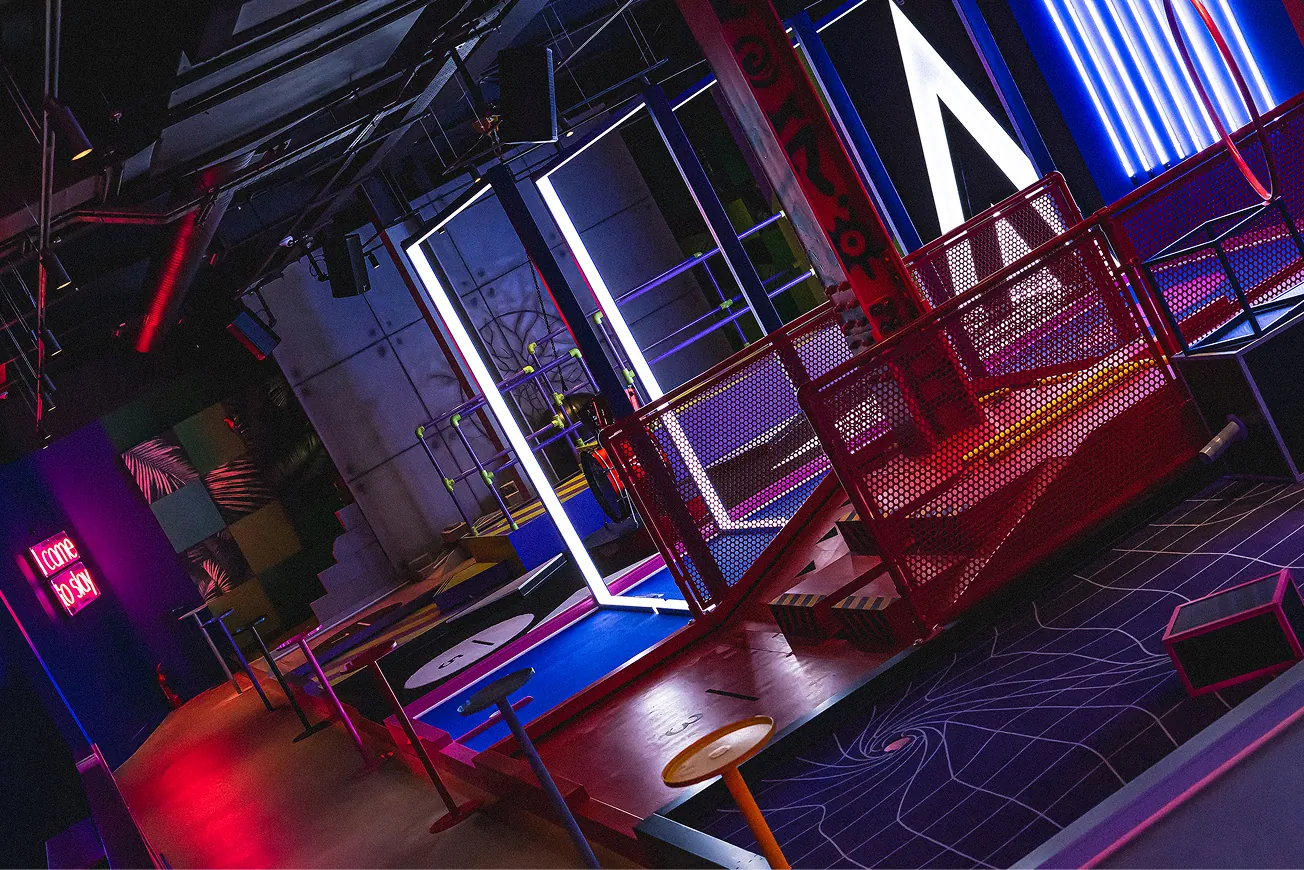 See the project
The next useful document
Before committing to detailed design, establish a shared proposition and commercial experience brief. It should give architects, operators, investors and creatives consistent answers about the business they are building.
Smith & Devil develops that brief through Venue Concept Development. Where the challenge extends into audience products, investment narrative and launch strategy, our Concept to Market offer connects the work to the route to revenue.